
L-Lysine Buying Guide: L-Lysine HCl vs Lysine Sulphate, Purity and Storage
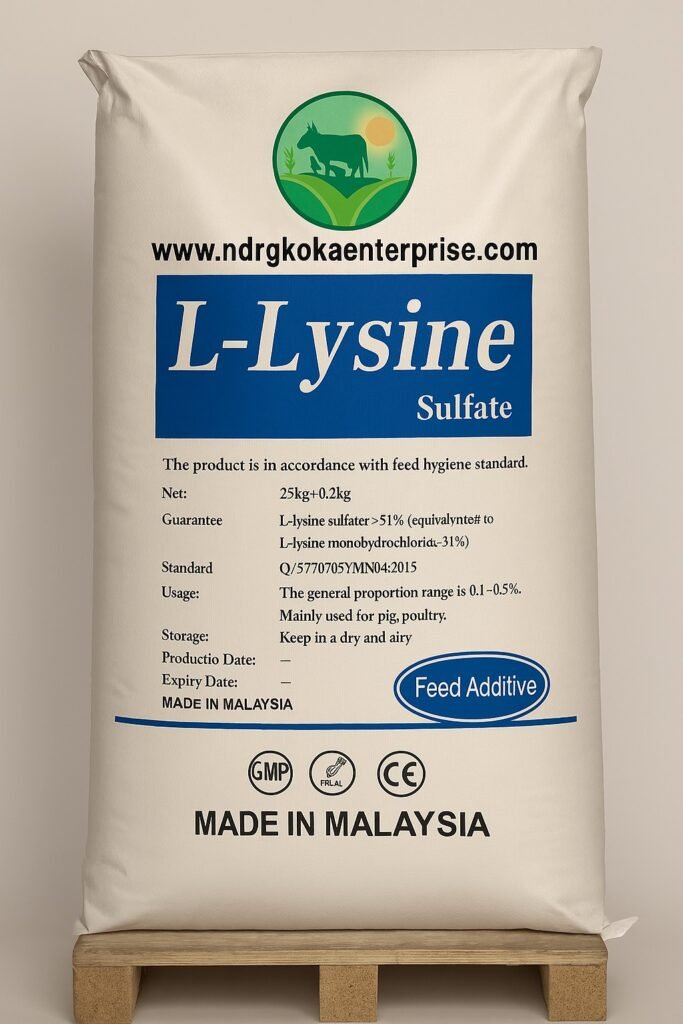
Feed-grade lysine comes mainly as L-lysine HCl (98.5% purity, about 78.8% lysine) or L-lysine sulphate (about 50–55% lysine plus other nutrients).
Feed-grade lysine comes mainly as L-lysine HCl (98.5% purity, about 78.8% lysine) or L-lysine sulphate (about 50–55% lysine plus other nutrients).
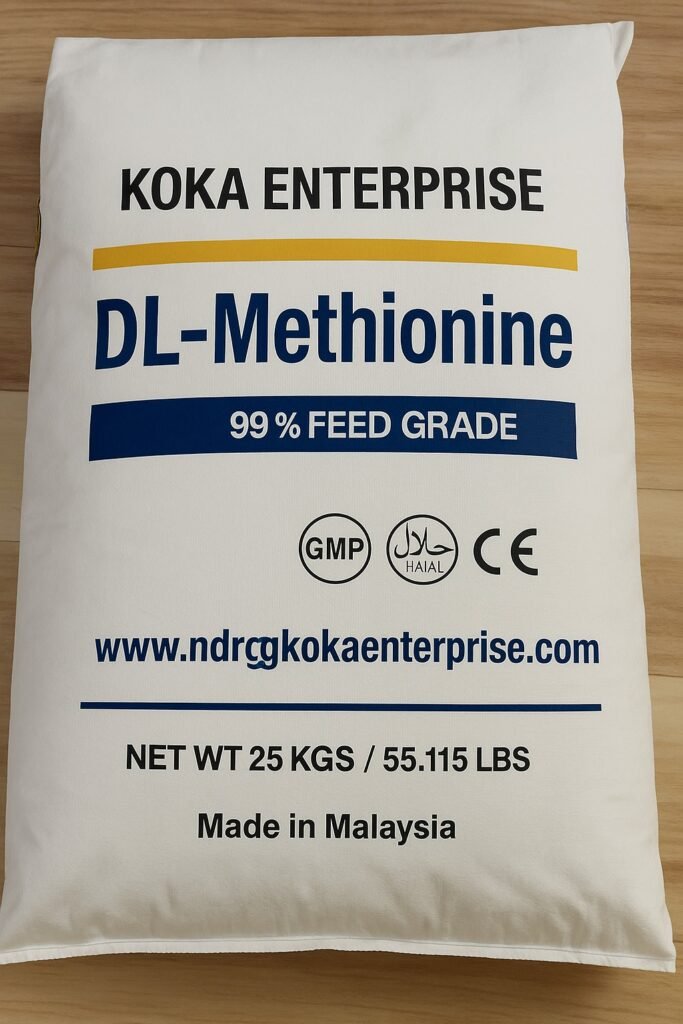
Buy feed-grade DL-methionine with at least 99% purity, a free-flowing white to light-grey powder, low moisture and a certificate of analysis for each batch.
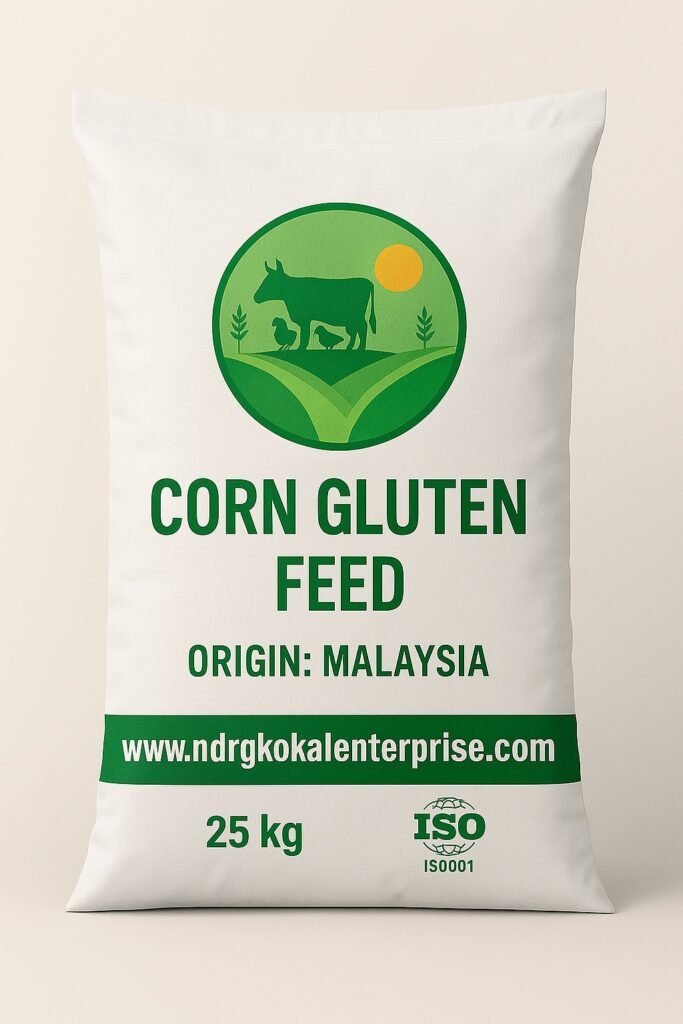
When buying corn gluten feed, confirm protein (about 18–22%), fibre, moisture and whether it is dry (pellets) or wet.
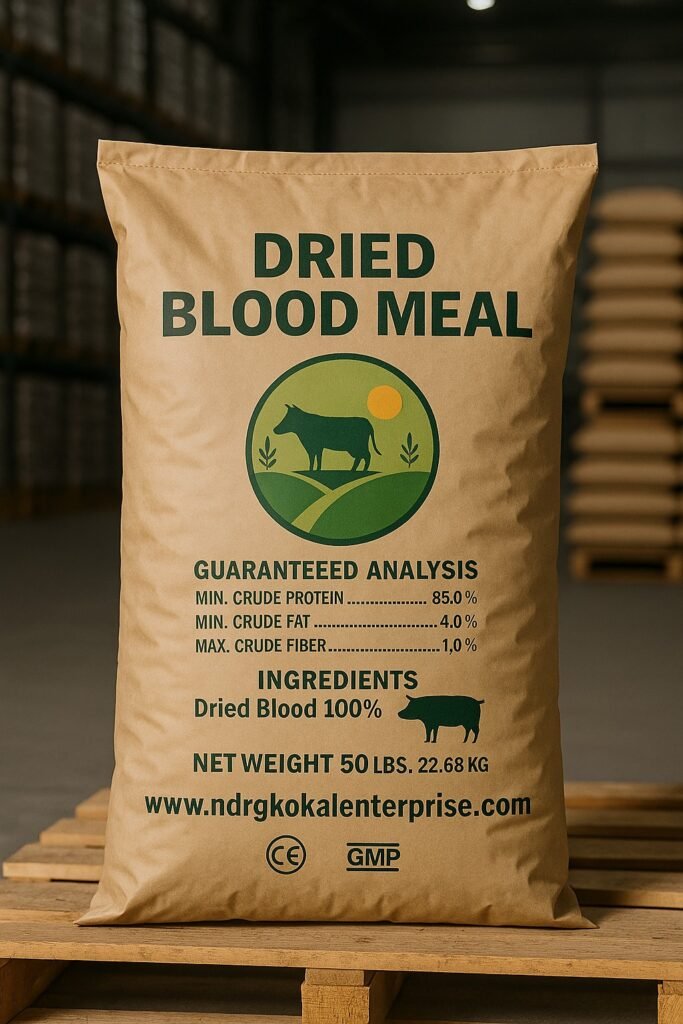
Blood meal is sold mainly as spray-dried (fine, highly digestible, used in feed) or ring/flash-dried (granular, often used in feed and fertilizer).
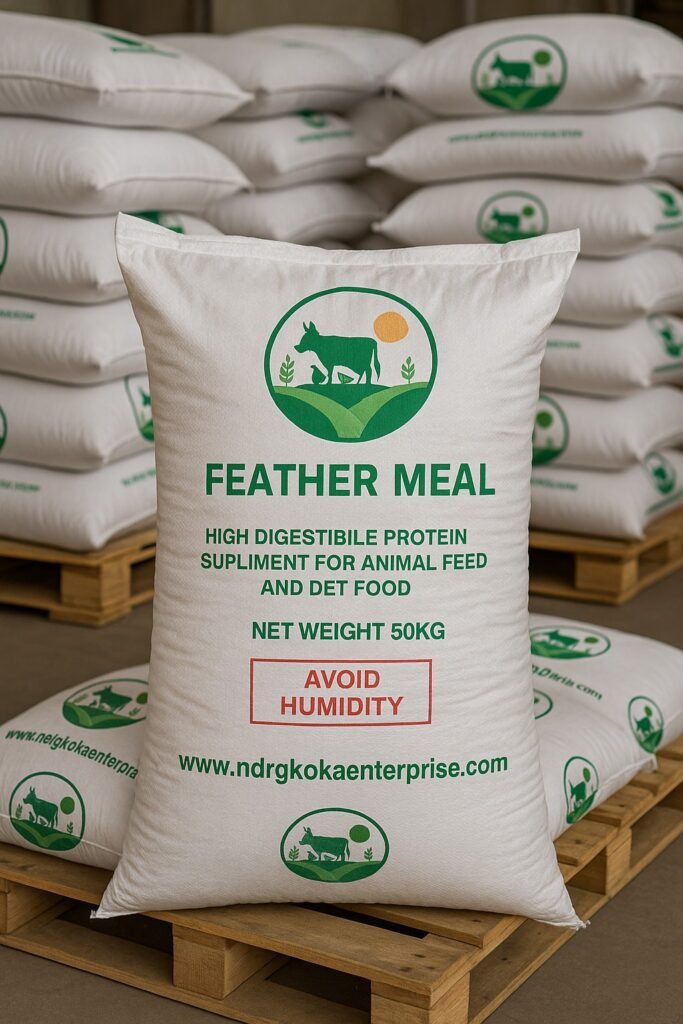
Hydrolysed feather meal adds concentrated protein (80–85%) to poultry, pig, fish and pet feed at relatively low cost.
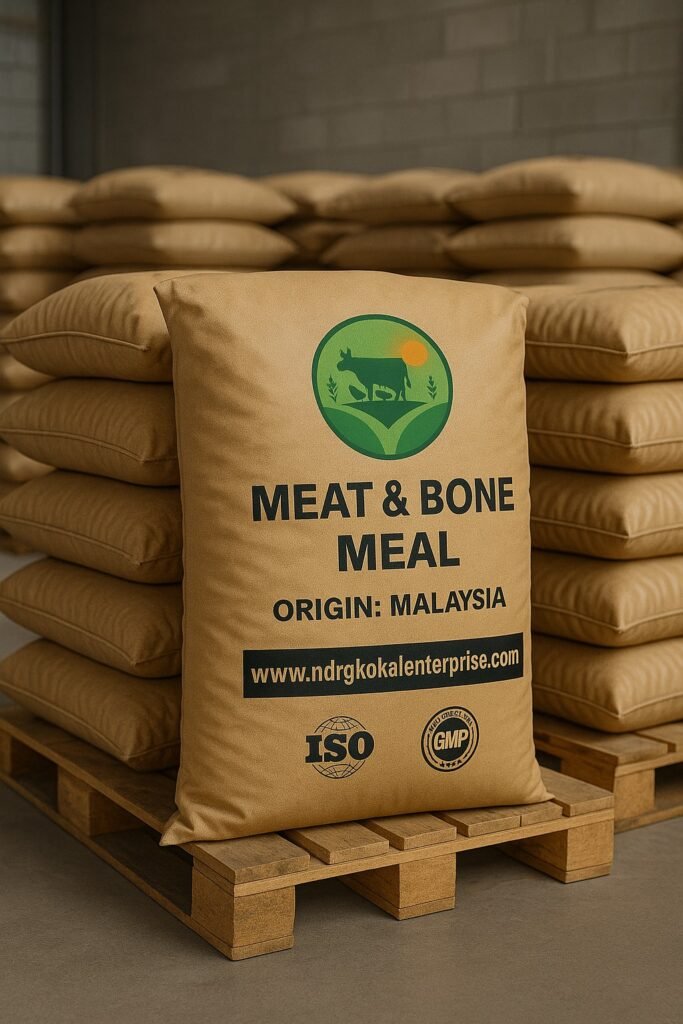
When buying meat and bone meal, compare protein (commonly 45% or 50%), fat, ash, calcium and phosphorus, and ask for salmonella and heat-treatment confirmation.
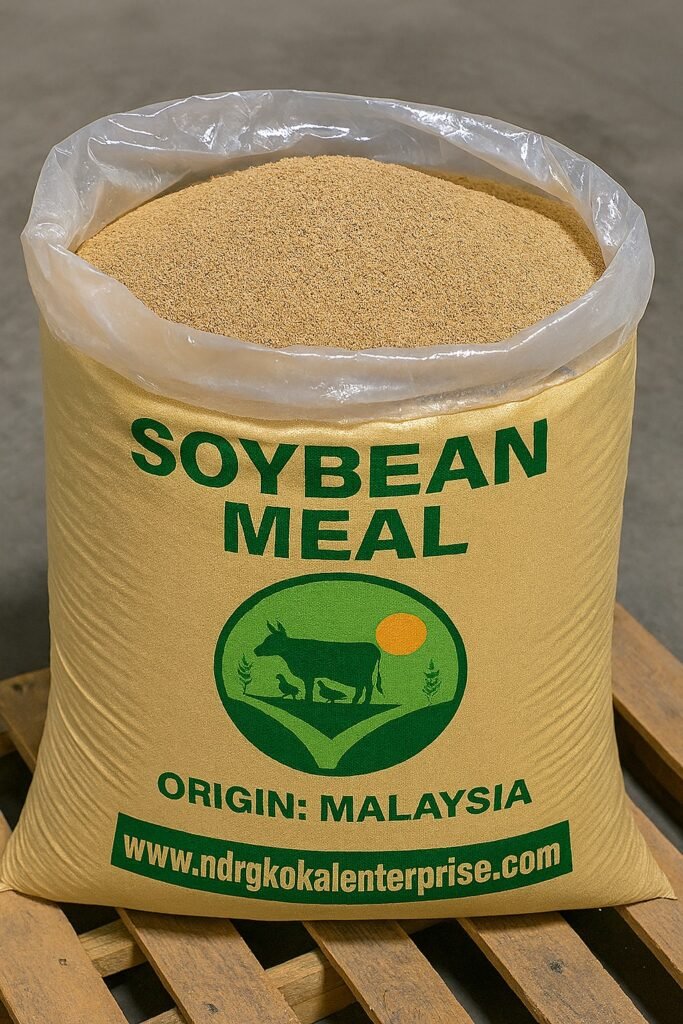
Soybean meal is the main protein in most poultry feeds, often making up a large share of broiler and layer diets alongside corn.
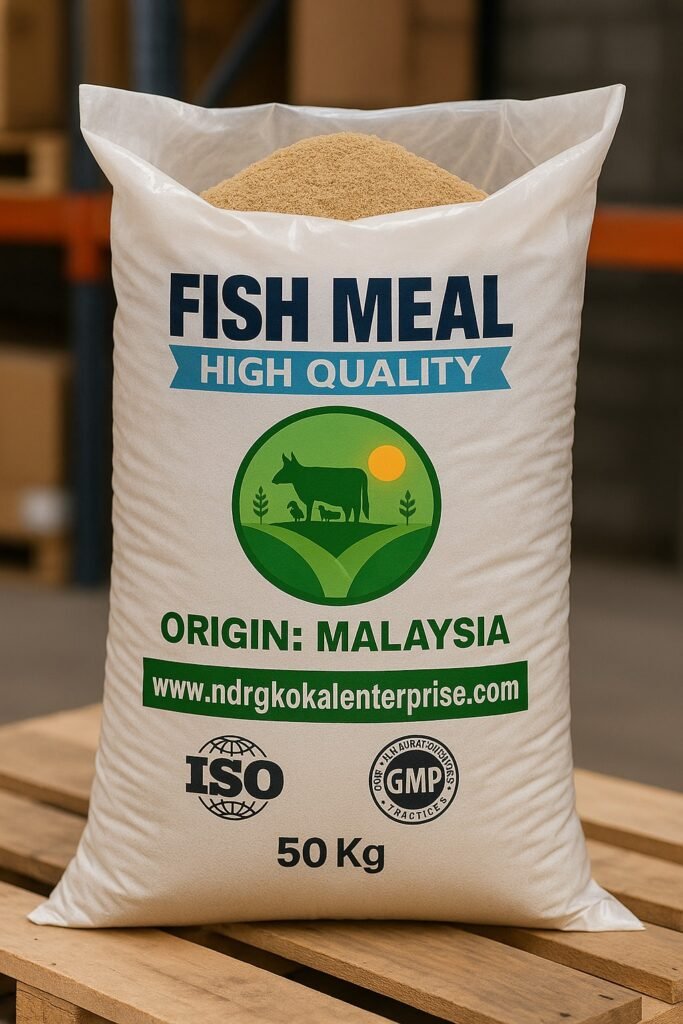
Good fish meal combines high protein with freshness.
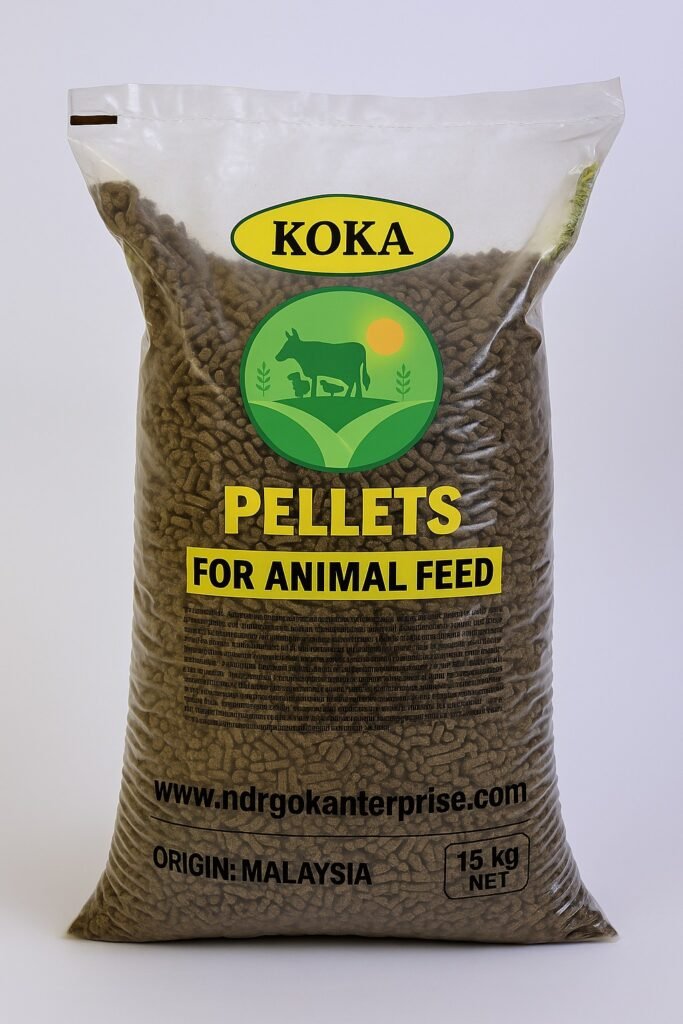
Pelleted feed usually beats mash on waste and feed efficiency: every pellet has the same nutrients, animals cannot pick out favourite ingredients, and there is less dust and spillage.
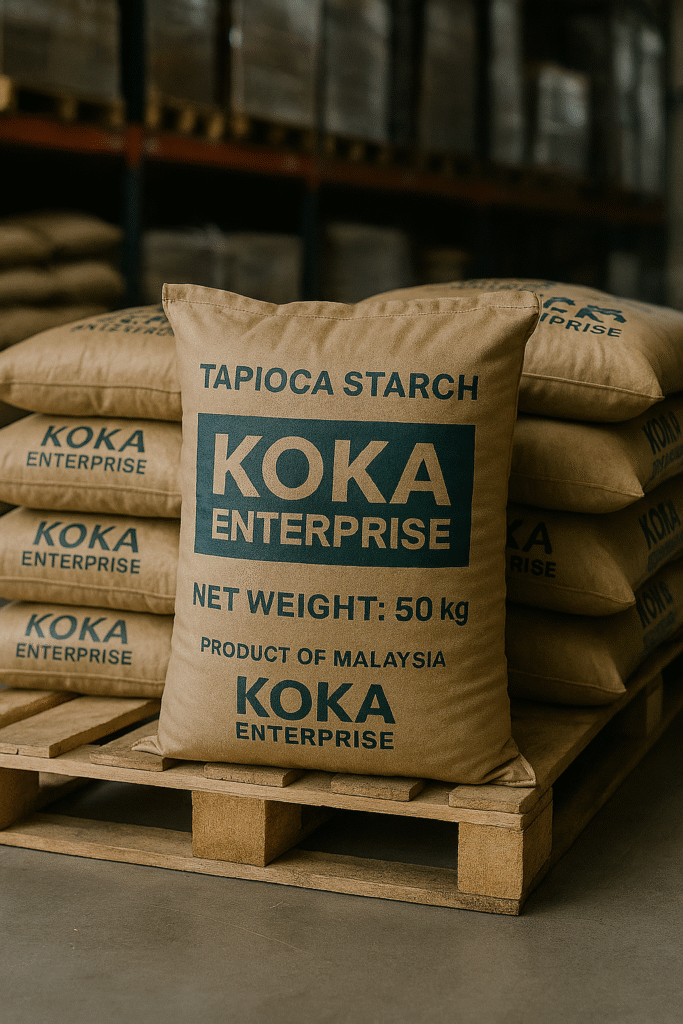
Tapioca (cassava) starch is a widely used binder in fish and shrimp feed.
 Protein Meals · Amino Acids · Fibre · Feed Pellets
Bagged or Bulk Supply Across Sarawak and Malaysia
WhatsApp +60 13-739 1922 for a Quote
Protein Meals · Amino Acids · Fibre · Feed Pellets
Bagged or Bulk Supply Across Sarawak and Malaysia
WhatsApp +60 13-739 1922 for a Quote
No account yet?
Create an Account English English
 Bahasa Melayu
 简体中文 English English Bahasa Melayu
简体中文