
How to Store Animal Feed Pellets: Shelf Life, Mould Prevention and Pest Control
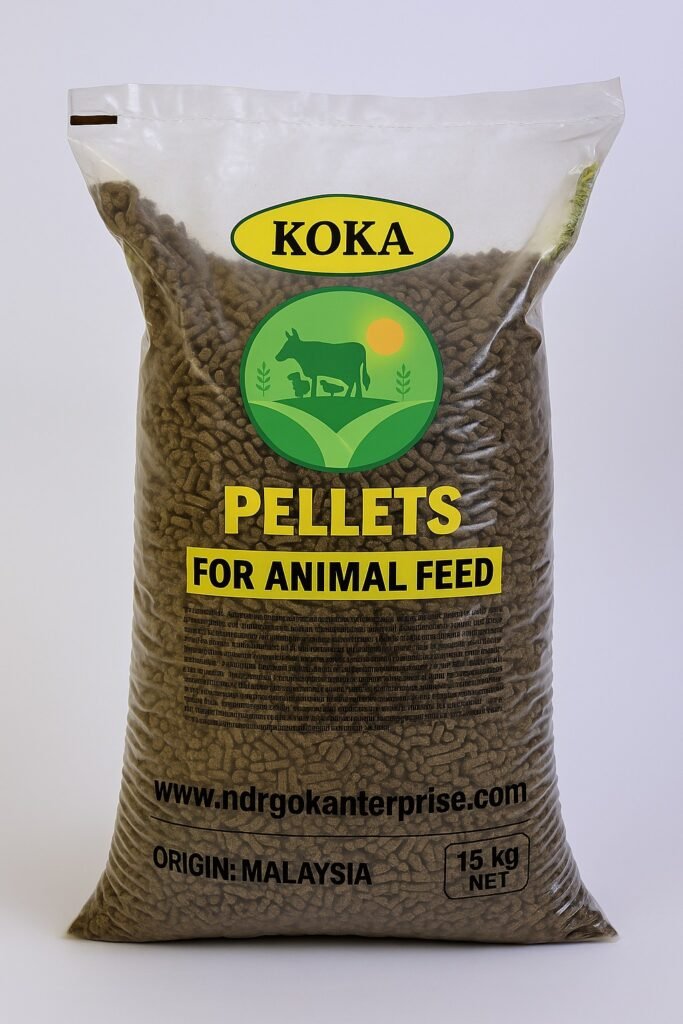
Store feed pellets in a cool, dry, well-ventilated place, off the floor on pallets and away from walls, sunlight and rain.
Store feed pellets in a cool, dry, well-ventilated place, off the floor on pallets and away from walls, sunlight and rain.
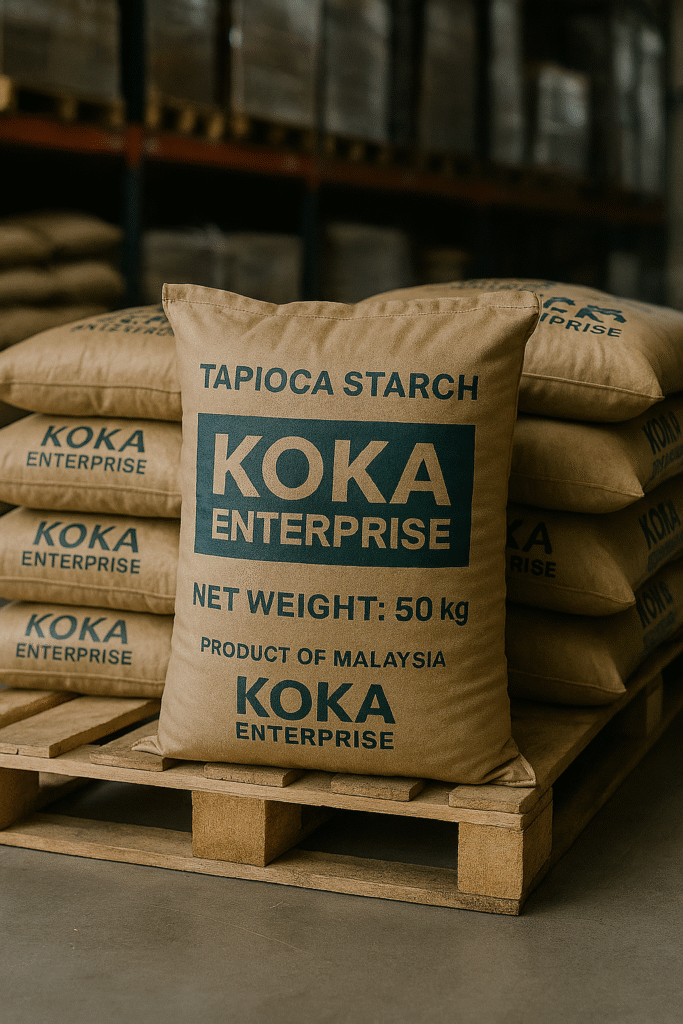
Key tapioca starch specifications are starch content (85% min), moisture (13–14% max), whiteness (often 90%+ for food grade), pH (about 5–7), ash (0.2% max) and pulp or fibre content, plus viscosity for the intended use.
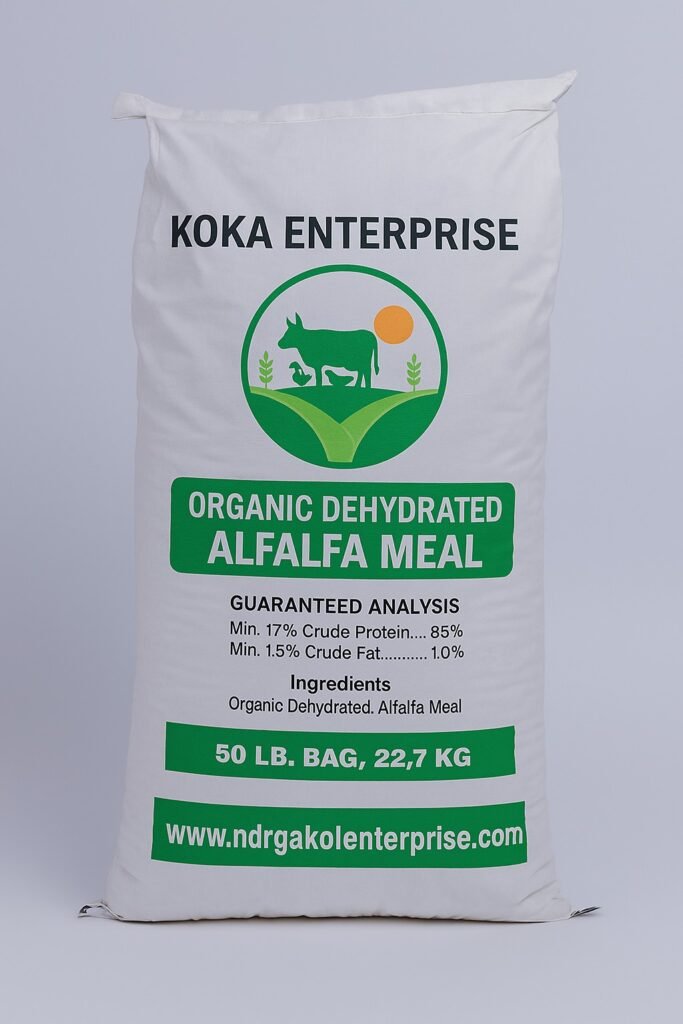
Alfalfa (a legume) has much more protein (about 15–20%) and calcium than grass hay (often 6–12% protein), making it ideal for growing, milking and working animals.
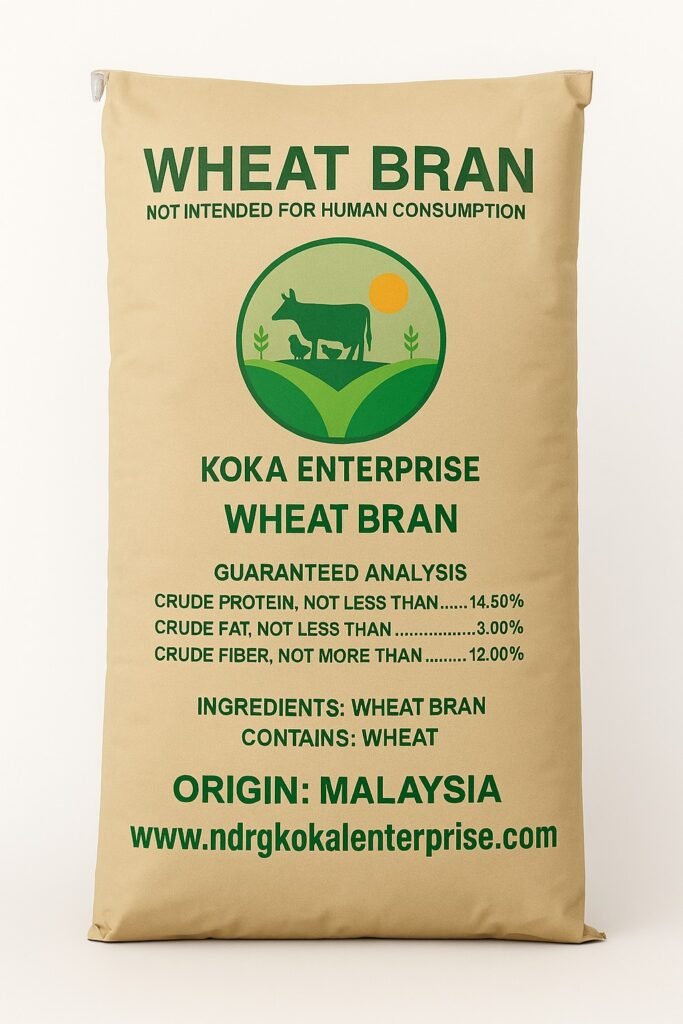
Beyond animal feed, wheat bran is a useful organic input for soil and growing.
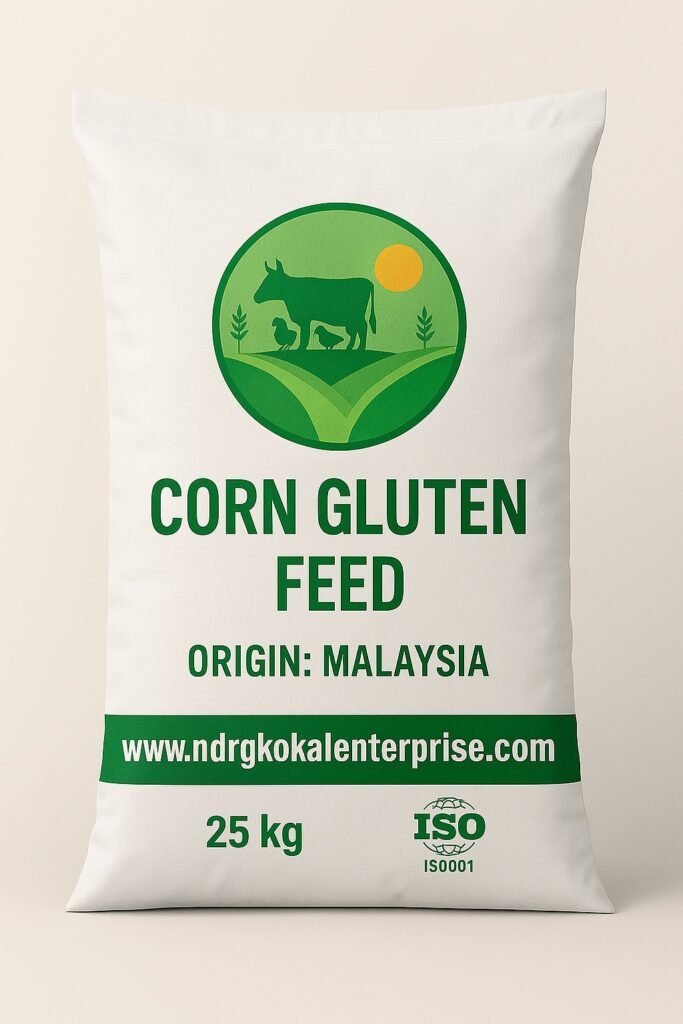
Dry corn gluten feed pellets keep for several months in a dry, ventilated store, while wet corn gluten feed spoils within about a week in warm weather unless ensiled or covered tightly.
Feed pellets work best as a supplement to good forage, not a replacement.
Tapioca starch comes from cassava roots and forms a clear, glossy, stretchy gel with a neutral taste, while corn starch comes from maize and gives an opaque, firmer gel.
Alfalfa meal is a gentle organic fertilizer (roughly 2.5-0.5-2 NPK) that adds nitrogen, potassium, trace minerals and organic matter.
Wheat bran is a palatable, fibre-rich feed with about 14–17% protein that supports digestion in cattle, goats and sheep and can be used in moderation for poultry.
The ideal protein concept expresses each essential amino acid as a percentage of lysine, the reference amino acid for pigs.
 Protein Meals · Amino Acids · Fibre · Feed Pellets
Bagged or Bulk Supply Across Sarawak and Malaysia
WhatsApp +60 13-739 1922 for a Quote
Protein Meals · Amino Acids · Fibre · Feed Pellets
Bagged or Bulk Supply Across Sarawak and Malaysia
WhatsApp +60 13-739 1922 for a Quote
No account yet?
Create an Account English English
 Bahasa Melayu
 简体中文 English English Bahasa Melayu
简体中文